

Bitcoin is really more than revolutionizing money—it’s transforming how humans contemplate cash, time and value. In the era of digital property, everybody now has profound opinions on the nature of scarcity, decentralisation and the very definition of “worth.”
Bitcoin arrived as code, but this transformed to become discourse, not simply charts and wallets, but systems and principles. When the price fell and rose, the world gave rise to a new thinker: the armchair financial philosopher.
Satoshi, Meet Socrates
Before the rise of Bitcoin, the most disputed value-based discussions revolved around loyalty cards and café stamp systems. However, with the rise of cryptocurrencies, chat groups, online forums and kitchen tables have become venues for genuine economic theory. Bitcoin may entice investors, indeed, but it also invites philosophical thinkers. Supply-cap ideology is quoted nowadays in the way Aristotle used to be and catchphrases like “hard money,” “trustless systems” and “permissionless networks” get tossed casually in watercoolers with the zeal once reserved for discussing films or the climate.
Lest it surprise you, disputes about Bitcoin price today become sparks to larger concerns about economic justice, the adjustment of powers and the need for central institutions. Dips are meditation, peaks and parables.
Scarcity, but Make It Spiritual
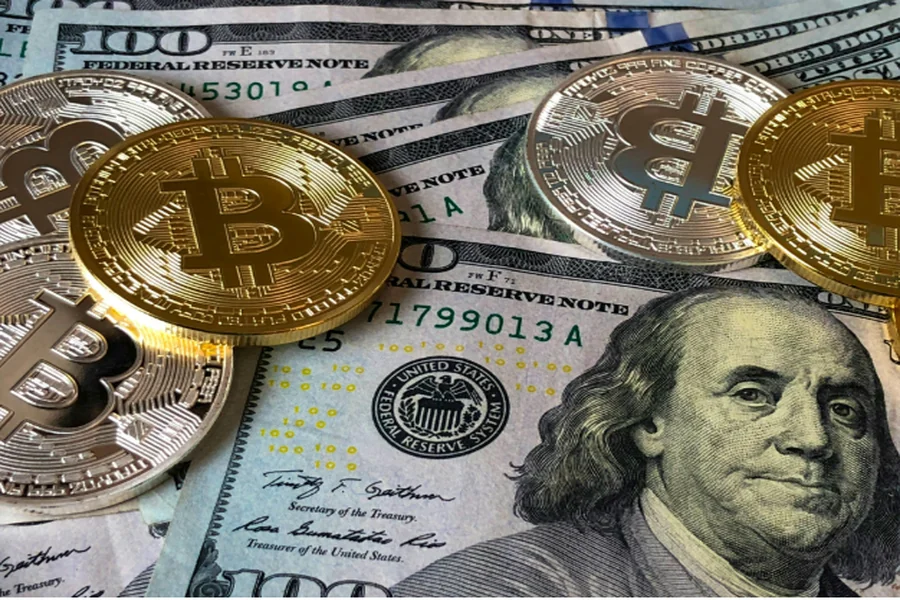
Most of Bitcoin’s appeal is its limited supply—21 million—and that’s it. Since most things today seem endless—scrolls, subscriptions, memes—Bitcoin’s intentional finitude evokes a specific type of awe. Some call it digital gold and others call it a modern-day relic.
Bitcoin’s restriction has made people think twice about the unlimited nature of consumption. Spending less is now something to be admired. Holding is a quality. And being able to stomach the down phase is a demonstration of inner will and faith.
Even casual observers begin to appreciate the lesson of delayed gratification. As the reward block halves and the elapsed time between blocks ticks away with monotonous consistency, the protocol whispers, as it were, “Wait patiently. Good things don’t inflate.” For instance, everything lifers, it’s a nice, if occasionally agonized, new way of considering the world.
The Meme that Meditates
Bitcoin didn’t emerge in obscurity—instead, it progressed through memes, subreddits and YouTube explainers. But amid the fog of laser eyes and market memes, something strange happened: others started to sound …wise.
“Money is nothing more than a communal illusion,” someone else writes next to a chart. “Fiat is moderated by trust, but what moderates trust?” asks someone else. One moment, it is moon-landing memes, the next it is 280-character-long treatises on Austrian economic theory.
The internet provided the perfect petri dish for cultural crypto philosophers. Living in an information-drenched world, Bitcoin provided the ideal point of focus—something that bound economics, technology and ethics at the same time. The result? Serious considerations disguised as blog entries and online venues disguised as classrooms.
From Numbers to Narratives
To most, Bitcoin’s value is something more than numbers—exploits. Up is hope renewed. Down is introspection sparked. Volatility, anxiety-provoking as it might be to others, is the personality within an unfolding saga of challenge, hope and transformation.
Whereas traditional assets sit quietly behind finance experts and quarterly statements, Bitcoin spreads its existence out in the open. All the transactions are public and all the blocks are traceable. Transparency nourishes speculation, yes, but storytelling as well.
Some call it a nonviolent revolution. Others, a technologically driven rebalancing. Poetry or practicality, the tales of Bitcoin are increasingly being framed by those who view money as something greater than a utilitarian device, with money an article of faith and identification.
Living in the Ledger
The more people encounter Bitcoin programmes, mining rigs or regular chart checks, the more the generation’s culture is reshaped. Theories that once belonged only in textbooks are defined as memes and price charts. Even non-crypto holders begin to talk its language: decentralize, verify, hold.
As with this evolution, a strange new category of thinker emerges. Not quite economist, not quite developer, not quite mystic—and yet something of all three. They are the economic philosophers of the computer epoch. They read whitepapers at brunch, debate hard forks at cafés and discuss the merits and demerits of cold storage like ancient scholars disputing papyrus scrolls.
It’s not merely about cash but how folks connect with value in the first place. Bitcoin’s record has become a mirror. And that reflection contains anything from risk tolerance to worldview.
The Final Line
Bitcoin may have started as an experiment with decentralizing currency, but it quickly became a global opinion movement. Its limited rules fostered complex thinking, its scarcity questioned consumption and its public urged individual reflection.
No matter the value of Bitcoin tomorrow or today, its reach far surpasses numbers. You notice it in culture, conversation and the intriguing way that others now consider their values more seriously. The digital currency flipped and it fell hard on philosophy.

- Fermented Cod Liver Oil: Unveiling the Benefits of a Nutritional Powerhouse - October 9, 2026
- 7 Lawn Care Hacks Every Homeowner Needs - June 8, 2026
- Can I Get The Best Dosa In Indiranagar Delivered To My Office By 9 AM? - June 5, 2026