
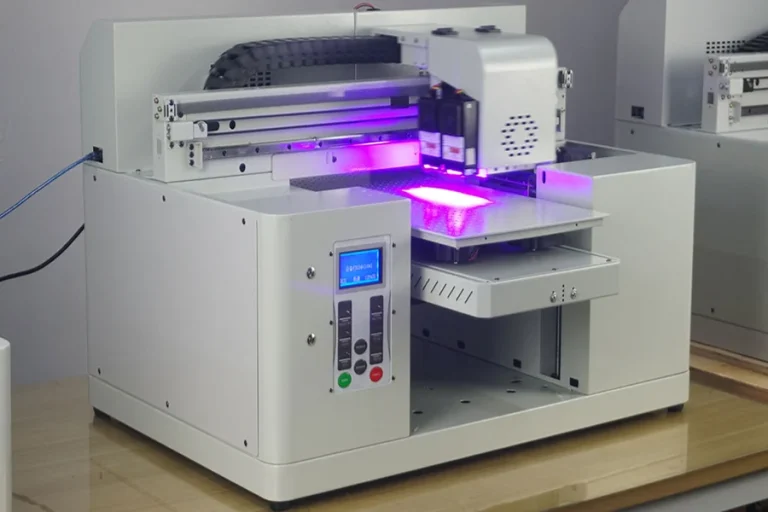
UV DTF printing has changed how we print on different surfaces. It began with basic printing ideas and evolved into a modern method. This article looks at its history step by step. We will cover the early days of printing, the start of digital methods, how DTF came about, and then how UV DTF became what it is today.
Early Beginnings of Printing Technologies
Printing started a long time ago. People first used woodblocks to print on paper in China around 200 AD. This was a simple way to make copies of text and images. Over time, in the 1400s, Johannes Gutenberg made the printing press in Europe. This machine used movable type, making books easier to produce. It helped spread knowledge fast.
In the 1800s, new technologies like lithography emerged. This used stones to print images. Then, offset printing became common in the 1900s. It worked well for big jobs like newspapers. These old methods worked well for paper but not for other materials, such as fabric or hard items. They required a lot of setup and were slow for small runs.
As time went on, people wanted faster and more flexible printing. This led to the need for digital tech. Computers started to play a role in the late 1900s. Early digital printers used inkjet tech in the 1950s, but they were basic. By the 1970s, laser printers showed up for office use. These changes set the stage for more advanced printing like what we see in UV DTF today.
The Rise of Digital Printing
Digital printing took off in the 1990s. It let people print straight from computer files without plates. This made small jobs faster and cheaper. Inkjet printers became popular for homes and businesses. They sprayed ink drops onto paper or other surfaces.
For textiles, digital methods started to replace old screen printing. Screen printing needed screens for each color and was slow. Digital textile printing uses special inks for fabrics. It allowed for custom designs on clothes. By the early 2000s, this field grew a lot. The market for digital textile printing reached billions of dollars.
One key part was the use of different inks. Pigment inks worked well on many fabrics. This evolution helped create methods like direct-to-garment or DTG printing. DTG prints right on shirts, but only on certain types like cotton. People saw limits, so they looked for better ways. This search led to DTF printing as a more versatile option.
Introduction to DTF Printing
DTF stands for direct-to-film printing. It started in the early 2000s as a cheap way to print on textiles. The idea was to print designs on a film first, then transfer them to fabric using heat. This worked on many fabric types, even dark ones, because of the white ink under the colors.
DTF became popular because it was easy and did not need much pretreatment on clothes. Unlike DTG, it handled cotton, polyester, and blends well. By 2010, more companies made DTF printers and supplies. The tech improved with better inks and films. In 2022, DTF took up a big part of the digital textile market, about 67 percent.
People liked DTF for its speed and low cost. Small businesses could start with basic inkjet printers changed for DTF. Over the years, machines got more advanced. They added features like auto powder shakers for the adhesive. This made the process smoother. But DTF was best for soft items like t-shirts. It did not work well on hard things like mugs or phone cases. This gap led to new ideas.
Development of UV Printing
UV printing started around the 1990s, too. It uses inks that cure under ultraviolet light. This makes the ink dry fast and stick to many surfaces. Unlike water-based inks, UV inks do not soak in; they sit on top and harden right away.
Early UV printers were for signs and packaging. Theyare printed on plastic, metal, and glass. By the 2000s, flatbed UV printers became common. These could handle thick materials. The tech got better with LED lights instead of old lamps. LEDs last longer and use less energy.
UV printing grew because it was eco-friendly with low emissions. It also gave bright colors and strong prints. Industries like advertising and product making used it a lot. But for transfers, it was not yet mixed with film methods. That changed when people combined UV with DTF ideas.
Emergence of UV DTF Printing
UV DTF printing came out in the late 2010s. It built on DTF but used UV inks for hard surfaces. The main change was curing the ink with UV light instead of heat for powder. This let designs stick to items like mugs, phone cases, and luggage without heat presses.
The process prints on a special film, adds a layer, and then peels it like a sticker. It solved the problem of printing on rigid things that DTF could not handle. Early UV DTF machines were like flatbed UV printers but set for films. Companies started to offer them around 2020.
This new method grew fast because of its ease. You did not need big heat machines. Just print, laminate, cut, and stick. It opened doors for custom items on hard materials. Market reports showed strong growth by 2022. More people used it for gifts and promo products.
One key player in this field is DTF LINKO. They provide inks and printers that helped push UV DTF forward.
Advancements in UV DTF Technology
In the last few years, UV DTF has seen many updates. Printers now print faster and with better quality. Inks come in types like soft, hard, or flexible for different needs. Soft inks work on bendy items like phone cases. Hard inks are for metal or glass.
Machines added auto features, like better laminators. Software improved for design handling. By 2024, visual positioning tech helped align prints better. This made production quicker and with less waste.
The evolution also focused on cost. Early setups were pricey, but now more affordable options exist. Small businesses can enter the market easier. Integration with digital tools lets for quick custom orders. The tech now handles bigger sizes and more colors.
Recent changes include eco-friendly inks with less smell. This meets new rules on safety. Overall, these steps make UV DTF more reliable and widely used.
Current State and Future Prospects
Today, UV DTF is a key part of printing. It fits well in e-commerce for custom goods. The market keeps growing with new apps like on tiles or bottles. In 2025, experts predict more advances in speed and quality.
Future looks bright with AI for design help. Better materials will make prints last longer. It may mix with other tech like 3D printing. Challenges include keeping costs low and training users.
If you want to learn more about how UV DTF compares to traditional DTF, check out detailed guides.
In summary, UV DTF printing evolved from old printing roots to a modern tool. It started with basic ideas and grew through digital changes. From DTF in the 2000s to UV mixes in the 2010s, it now serves many needs. This history shows how tech adapts to market demands. As it keeps improving, UV DTF will stay important in printing.

- Fermented Cod Liver Oil: Unveiling the Benefits of a Nutritional Powerhouse - October 9, 2026
- 7 Lawn Care Hacks Every Homeowner Needs - June 8, 2026
- Can I Get The Best Dosa In Indiranagar Delivered To My Office By 9 AM? - June 5, 2026