
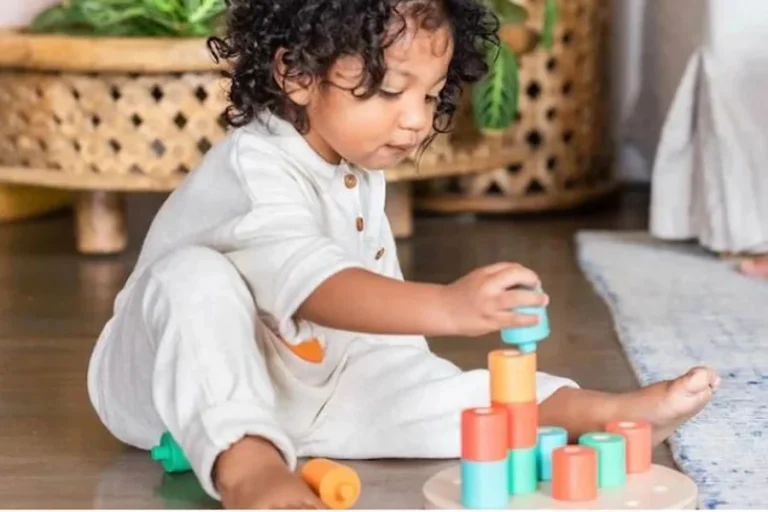
Playtime serves as the foundation for your baby’s cognitive, motor, and social development. The way you introduce new toys can significantly impact how quickly your little one engages with them and what skills they develop. Research shows that properly introduced toys lead to 30% longer attention spans and more meaningful learning experiences compared to simply handing toys to babies. when do babies play with toys most effectively? When the toys match their current abilities while offering just enough challenge to encourage growth. In this article, we’ll explore the science-backed methods for introducing toys to support your baby’s development at every stage.
When Is the Right Time to Introduce a New Toy?
Reading Your Baby’s Developmental Readiness Cues
Watch for telltale signs that your baby is ready for new play challenges. If they’re mastering current toys quickly—like consistently grasping rattles or anticipating sounds from musical toys—they may need more stimulating options. Other readiness cues include increased curiosity (reaching for objects beyond their immediate space), improved coordination (transferring toys between hands), or frustration with toys they’ve “outgrown.” Timing matters throughout the day too. Introduce new toys when your baby is alert but calm—typically mid-morning or after naps. Avoid introducing complex toys when they’re tired or hungry. Watch their reactions closely; turning away, fussing, or losing interest quickly suggests the toy doesn’t match their current developmental needs or the timing isn’t right.
Matching Toys to Current Skills & Emerging Abilities
The best toys build on mastered skills while gently challenging new ones. For a baby just learning to sit independently, place interesting toys slightly out of reach to encourage leaning and balancing. If they’re developing the pincer grasp, offer toys with smaller graspable parts. This “scaffolding” approach—supporting current abilities while promoting next-level skills—makes play both comfortable and rewarding. Consider combining familiar and new elements. A baby who loves their current stacking rings will more easily engage with a new set that has different textures or colors. Similarly, introducing a new shape sorter works best when they’ve mastered putting objects into containers with their current toys. This gradual progression keeps frustration low and learning high.
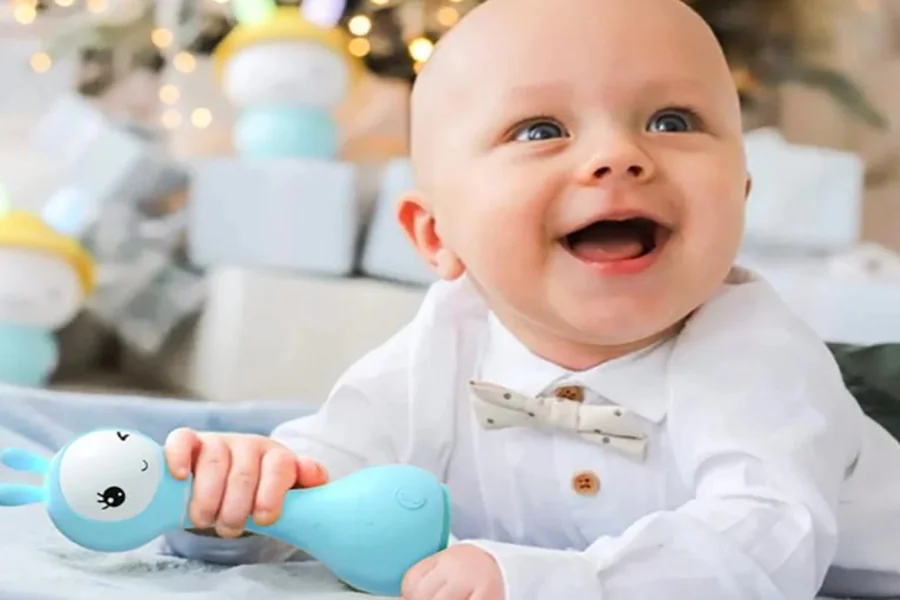
The Step-by-Step Toy Introduction Method
Step 1: Start with Solo Exploration
Begin by placing the new toy near your baby during playtime without instruction. This uninterrupted exploration allows them to form their own first impressions and discover the toy’s possibilities. Observe how they naturally interact with it—do they mouth it, shake it, or study it visually? These initial reactions reveal how they’re processing the new object. Limit initial sessions to 5-10 minutes to prevent overstimulation. Some babies need multiple exposures before fully engaging with a new toy. If they show little interest initially, try reintroducing it a few days later when they may be developmentally ready.
Step 2: Demonstrate Without Overwhelming
After solo exploration, briefly demonstrate one or two simple ways to use the toy. For a stacking toy, slowly place one piece on another while maintaining eye contact and smiling. Keep demonstrations short—long explanations often overwhelm babies. Use simple language like “Up, up!” rather than detailed instructions. Pause frequently to give your baby chances to imitate. If they don’t copy you immediately, that’s normal; they’re still absorbing the information. Some babies prefer watching several demonstrations before trying themselves. The goal isn’t perfect imitation but sparking curiosity about the toy’s possibilities.
Step 3: Engage in Interactive Play
Once familiar with the toy, engage in back-and-forth play. If they shake a rattle, you shake one too in response. This turn-taking builds social skills while reinforcing cause-and-effect learning. For shape sorters, hand them pieces one at a time while making excited sounds when they succeed. Follow your baby’s lead during interactive play. If they invent a new way to use the toy (like banging blocks together instead of stacking), join in their version before gently reintroducing the intended use. This balance between guidance and flexibility keeps play joyful while still promoting development.
Common Mistakes Parents Make When Introducing Toys
Many well-meaning parents accidentally hinder their baby’s play development by introducing too many toys at once. Studies show babies engage more deeply when presented with 3-4 toys at a time rather than overwhelming arrays. Another common error is immediately correcting how babies use toys—if they’re happily exploring a shape sorter by chewing the pieces, that’s valuable sensory learning too. Over-helping presents another pitfall. Constantly showing “the right way” to play can diminish a baby’s natural curiosity and problem-solving drive. Timing mistakes include introducing advanced toys too early (like giving shape sorters before babies develop pincer grasps) or keeping babies with outgrown toys too long. Both scenarios lead to frustration or disengagement. Watch for your baby’s cues rather than relying solely on age recommendations.
Safety Checks Before Toy Introduction
Always inspect new toys for potential hazards before introduction. Check for loose parts, sharp edges, or peeling paint. Even high-quality toys can have manufacturing defects. Ensure the toy’s size passes the choke test—it shouldn’t fit through a toilet paper tube. For electronic toys, verify battery compartments are securely screwed shut. Consider your baby’s specific habits when assessing safety. A mouthy baby needs non-toxic, easily cleaned materials. An active roller requires toys without hard corners. Regularly re-evaluate safety as your baby develops new skills—a toy that was safe last month might now pose a tipping hazard as they pull to stand. Sanitation matters too. Wash fabric toys before use and clean plastic ones with mild soap. Avoid harsh disinfectants that could leave residues babies might ingest.
Conclusion
Introducing toys thoughtfully creates richer learning experiences while strengthening your bond with your baby. By matching toys to developmental stages, allowing independent exploration, and gradually scaffolding skills, you transform simple play into powerful brain-building moments. Remember that the goal isn’t early mastery but nurturing curiosity and confidence. For parents seeking developmentally appropriate toys that grow with their babies, brands like Alilo offer carefully designed options for each stage. Their research-backed toys support emerging skills while prioritizing safety and engagement. By approaching toy introduction with patience and awareness, you’re not just giving your baby objects to play with—you’re providing the tools for joyful discovery that will benefit them for years to come.

- Fermented Cod Liver Oil: Unveiling the Benefits of a Nutritional Powerhouse - October 9, 2026
- 7 Lawn Care Hacks Every Homeowner Needs - June 8, 2026
- Can I Get The Best Dosa In Indiranagar Delivered To My Office By 9 AM? - June 5, 2026