
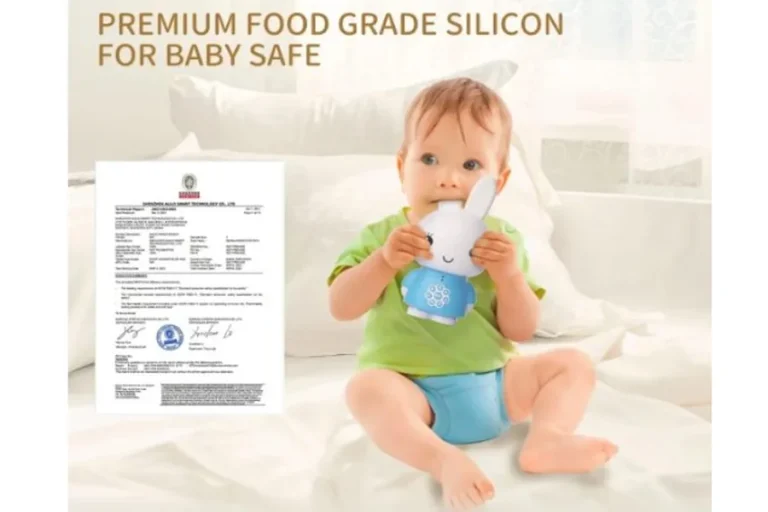
Every parent wants their baby to explore, learn, and have fun—but safety should always come first. when do babies start to play with toys? From the moment they can grasp objects, usually around 3-4 months, they begin interacting with their surroundings through touch and taste. Unfortunately, not all toys are designed with a baby’s safety in mind. Some may contain harmful materials, small detachable parts, or sharp edges that pose risks. A safe toy not only prevents injuries but also supports healthy development by encouraging curiosity and motor skills. In this article, we’ll guide you through key safety checks, material considerations, and design features to look for, ensuring your baby’s playtime is both enjoyable and secure.
Key Safety Standards and Regulations
Reputable toy manufacturers follow strict safety guidelines, such as ASTM F963 (U.S.) or EN71 (EU), which test for toxicity, durability, and choking hazards. Always check for certification labels like “CE” (European Conformity) or “CPSC” (Consumer Product Safety Commission) on packaging. These indicate the toy has passed rigorous safety assessments. Avoid purchasing toys from unverified sellers, as counterfeit products often skip these critical tests. When in doubt, research trusted retailers or consult official recall lists to ensure a toy hasn’t been flagged for safety violations.
Material Safety: What to Look For
Babies explore by chewing, so non-toxic materials are essential. Opt for toys labeled “BPA-free,” “phthalate-free,” and “lead-free.” Natural materials like untreated wood, organic cotton, or food-grade silicone are safer alternatives to cheap plastics. Avoid toys with strong chemical odors, as these may indicate harmful off-gassing. For plush toys, ensure stuffing is hypoallergenic and seams are double-stitched to prevent leakage. Fabric toys should be machine-washable to maintain hygiene, especially since babies drool and spit up frequently. Always inspect for loose fibers or peeling paint, which could be ingested.
Design Considerations for Safety
No Small Parts: Reducing Choking Hazards
The biggest risk for babies under three is choking. A simple rule: if a toy (or any detachable part) fits inside a toilet paper roll, it’s too small. Avoid marbles, button eyes, or tiny accessories that could lodge in a baby’s throat. Even seemingly secure parts, like squeakers in stuffed animals, can become hazards if torn out. Opt for one-piece rattles or teethers without removable components. For older siblings’ toys, use a small-parts tester tool to check for hazards. Always supervise playtime with smaller toys, and store them out of reach when not in use.
Smooth Edges and Safe Construction
Rough edges, splinters, or protruding wires can scratch or injure delicate skin. Run your fingers along all surfaces—if anything feels sharp or uneven, skip it. Stuffed animals should have embroidered eyes instead of plastic ones that could loosen. Plastic toys should be free of burrs or flashing (excess material from molding). For wooden toys, sanded finishes are safer than rough, unfinished edges. Avoid toys with long strings or cords (over 12 inches), as these pose strangulation risks. If a toy makes noise, ensure the volume isn’t loud enough to damage hearing.
Stability and Balance: Preventing Tip-Overs
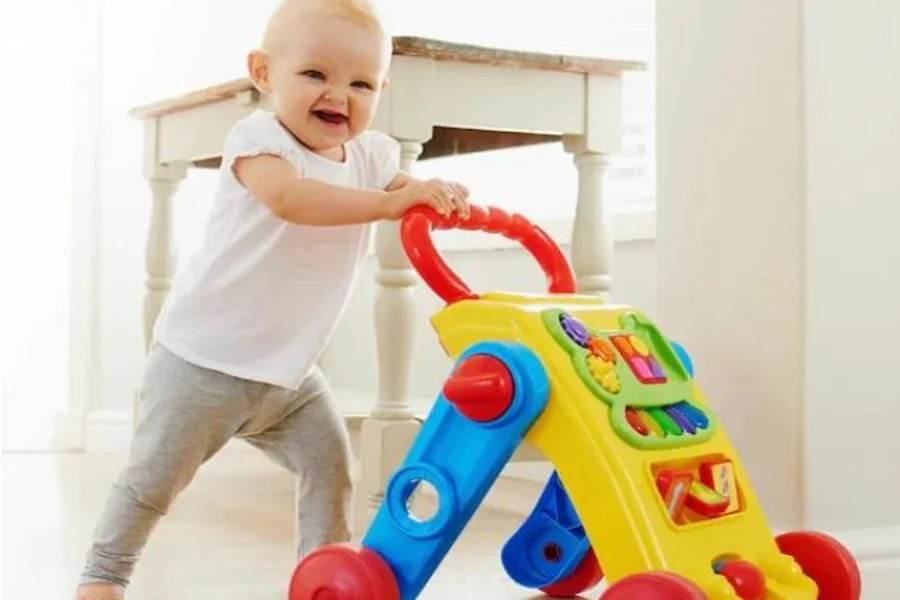
As babies pull up to stand, they may use toys for support. Avoid lightweight, top-heavy toys that could topple over. Activity tables, push walkers, or large play structures should have wide, weighted bases. Test stability by gently pushing the toy—if it tips easily, it’s unsafe. For ride-on toys, look for non-slip grips and a low center of gravity. Always place floor toys on a flat surface away from stairs or ledges. Even soft play mats should lie flat without curling edges that could trip a crawling baby.
Age Appropriateness: Matching Toys to Right Stages
Manufacturers provide age guidelines for a reason. A toy meant for a 2-year-old may have small parts dangerous for a 6-month-old. For newborns, choose high-contrast, lightweight toys they can bat at. At 6–12 months, opt for chewable teethers and simple stacking cups. Toddlers enjoy puzzles with large knobs or shape sorters, but avoid complex sets with tiny pieces. Always check the recommended age range on packaging, and don’t rush into advanced toys—developmental readiness matters just as much as safety.
Visit this link for more information: wellhealthorganic.com Skin Care Tips in Hindi – संपूर्ण गाइड
Observing Your Baby’s Interaction with Toys
Even “safe” toys can become hazardous if misused. Watch how your baby plays: Do they try to bite off pieces? Does the toy crack after repeated drops? Regularly inspect toys for wear, like frayed fabric or loose screws. Rotate toys to keep them interesting and reduce overuse damage. If a toy seems frustrating (e.g., a puzzle they can’t solve), put it away temporarily to prevent aggressive throwing or chewing. Always model gentle play—babies imitate how you handle objects.
Conclusion
Toy safety isn’t just about avoiding hazards—it’s about creating a space where babies can learn confidently. By choosing non-toxic materials, sturdy designs, and age-appropriate toys, you minimize risks while maximizing developmental benefits. Brands like Alilo offer rigorously tested, baby-safe toys designed for each growth stage, from sensory mats to interactive learning gadgets. Always stay vigilant, trust your instincts, and remember: the safest toys are the ones that grow with your child’s curiosity while keeping their well-being front and center.

- Fermented Cod Liver Oil: Unveiling the Benefits of a Nutritional Powerhouse - October 9, 2026
- 7 Lawn Care Hacks Every Homeowner Needs - June 8, 2026
- Can I Get The Best Dosa In Indiranagar Delivered To My Office By 9 AM? - June 5, 2026