
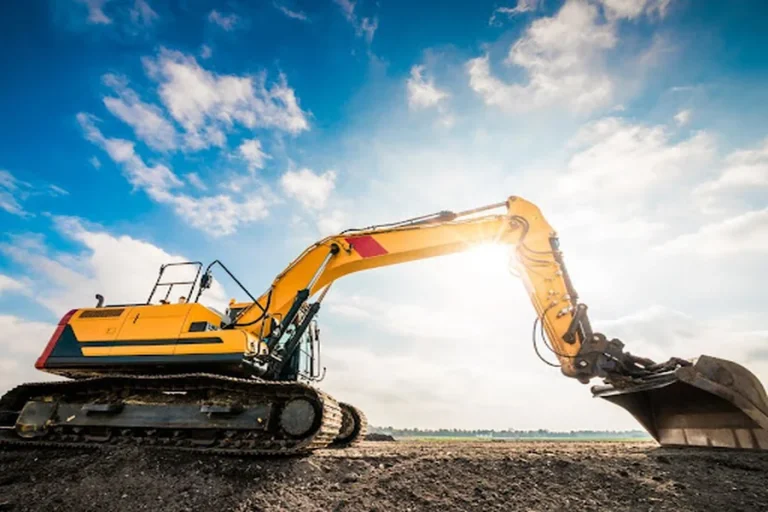
In many equipment-heavy industries, maintenance is often reactive. A final drive fails, a cylinder leaks, or a motor overheats, and maintenance teams respond only after the issue disrupts operations. This approach creates a cycle of emergency repairs, high part replacement costs, and extended downtime.
For companies that rely on excavators, these reactive patterns result in rising expenses and reduced productivity. As a trusted excavator parts manufacturer, We-Attach.com has observed how preventable failures often drive the highest operational costs.
Predictive maintenance offers an alternative. By identifying early indicators of wear and addressing issues before failure occurs, businesses can reduce overall spending on excavator parts, improve uptime, and manage operations more efficiently.
The Cost of Waiting Until Something Breaks
A common example illustrates the issue. A swing motor fails without warning. The replacement part is not available locally, so it must be shipped overnight at a premium cost. Production stalls, operators wait, and project timelines shift.
This scenario is familiar to many. The actual cost is not just the failed motor. It includes expedited freight, idle labor, lost productivity, and potential damage to connected systems.
Reactive maintenance often creates these situations. The “fix it when it fails” mindset overlooks the financial impact of unpredictable breakdowns. Critical excavator parts such as track adjusters, seals, or pumps can cause significant delays if not proactively managed.
Unplanned failures also increase the likelihood of collateral damage. For example, a failed bearing may misalign surrounding components, leading to further part degradation and additional costs.
What Predictive Maintenance Means in Practice
Predictive maintenance refers to a strategy that uses equipment condition and performance data to determine the optimal time for service or part replacement.
There are three primary types of maintenance:
- Reactive: Wait until failure occurs
- Preventive: Replace parts on a fixed schedule
- Predictive: Use real-time or historical data to identify warning signs and act before failure
While predictive maintenance can involve sensors and advanced monitoring systems, it can also begin with simple practices. Many companies use vibration meters, thermal scanners, oil sampling, and inspection logs to track wear and performance.
The goal is early detection. When teams know that specific excavator parts are approaching failure based on usage patterns or temperature shifts, they can schedule service and secure parts in advance. This reduces both downtime and spending.
Why Predictive Maintenance Reduces Excavator Parts Costs
The shift to predictive maintenance leads to more controlled and cost-effective part usage. Several benefits contribute directly to lower parts spending.
Advance Planning Lowers Purchase Costs
Emergency part orders often carry price premiums and higher shipping fees. When wear is identified early, replacement parts can be purchased at regular pricing. Bulk orders become possible, further reducing per-unit costs.
For high-volume excavator parts such as bucket pins, hoses, or undercarriage components, these savings accumulate quickly.
Early Repairs Reduce System Damage
Failing parts often impact nearby components. A cracked seal can cause hydraulic fluid loss, damaging pumps or valves. By intervening before complete failure, businesses avoid secondary repairs and extend the service life of related systems.
Inventory Becomes More Efficient
Unplanned failures often lead to overstocking rarely used parts or being caught without critical replacements. Predictive data supports smarter stocking decisions. Teams maintain inventory levels that match real wear rates, reducing capital tied up in unused stock while preventing part shortages.
Monitoring also helps parts last longer. Identifying early indicators like overheating or excessive vibration allows maintenance teams to correct root causes such as contamination, overloading, or improper alignment.
Real Examples from the Field
Gearbox Monitoring Reduces Replacement Frequency
A packaging plant experienced frequent gearbox failures. By installing vibration sensors and analyzing data trends, early gear misalignments were identified. Adjustments and minor part replacements were made before full gearbox failures occurred. This reduced gearbox replacements by 35 percent and saved over $60,000 within one year.
Engine Diagnostics in a Logistics Fleet
A transportation firm deployed basic diagnostic tools on its vehicle engines. Data from oil pressure and cooling system sensors indicated early wear. Trucks were rotated for maintenance based on performance data instead of waiting for dashboard warnings. The result was a 50 percent reduction in emergency repairs and lower spending on engine-related excavator parts.
HVAC System Monitoring Extends Equipment Life
An HVAC contractor installed runtime meters and thermal sensors on commercial units. The data helped schedule the replacement of belts, filters, and capacitors before failures occurred. Equipment life extended by two to three years, significantly reducing capital expenditures on large replacements.
Each of these cases demonstrates how proactive tracking leads to measurable savings and improved part reliability.
Starting Predictive Maintenance Without Large Investments
Getting started does not require complex infrastructure. Most companies already have maintenance logs, usage records, and technician insights. These serve as a baseline for identifying patterns of wear and failure.
Begin by selecting a few high-cost or high-risk excavator parts, such as swing motors, hydraulic pumps, or travel drives. Review the historical failure data and begin monitoring those parts more closely using visual inspections or handheld diagnostic tools.
Log observations consistently. Even a basic spreadsheet can reveal trends over time. For example, noting temperature increases or changes in operator feedback can indicate developing problems.
The most important factor is consistency. Regular tracking creates a feedback loop that leads to earlier detection and more accurate part forecasting.
Long-Term Gains from Predictive Maintenance
Over time, predictive maintenance helps extend the useful life of equipment and components. Systems experience fewer sudden failures, and machine availability improves. Replacing worn parts early prevents more expensive secondary repairs.
Budgets become easier to manage. Emergency spending decreases, and maintenance costs are distributed more predictably across the calendar year.
Operations also benefit from improved project stability. Fewer machine failures lead to fewer jobsite delays, stronger client satisfaction, and reduced pressure on maintenance teams.
By working with an experienced excavator parts manufacturer, companies can identify failure-prone components and plan procurement cycles more effectively. This partnership helps reduce both part costs and machine downtime.
Conclusion
Predictive maintenance transforms how companies manage equipment and purchase excavator parts. By relying on condition monitoring instead of crisis response, businesses reduce emergency spending, prevent cascading failures, and improve part lifespan.
This approach offers measurable returns in both financial and operational terms. Equipment runs longer, parts budgets stretch further, and maintenance schedules become more strategic.
For businesses managing excavators and other heavy equipment, predictive maintenance is not simply a technical upgrade. It is a disciplined strategy that protects assets, reduces costs, and builds a stronger foundation for long-term performance.

- Fermented Cod Liver Oil: Unveiling the Benefits of a Nutritional Powerhouse - October 9, 2026
- 7 Lawn Care Hacks Every Homeowner Needs - June 8, 2026
- Can I Get The Best Dosa In Indiranagar Delivered To My Office By 9 AM? - June 5, 2026