
In the rapidly evolving world of artificial intelligence, creating unique anime art or interacting with virtual characters has become accessible to everyone. Whether you’re an aspiring artist, a content creator, or someone seeking imaginative companionship, the right tool can unlock incredible creative potential. However, with dozens of platforms available, selecting the ideal one can feel overwhelming. This guide will walk you through every critical factor, helping you make an informed decision that matches your specific needs and goals. By the end, you’ll know exactly what to look for—from a free AI anime generator for casual experimentation to professional-grade software for serious projects.
Understanding your primary objective is the first step. Are you looking to generate stunning character portraits, design entire scenes, or perhaps explore interactive experiences? The market offers specialized tools for each purpose. This article breaks down the key considerations, ensuring you invest your time and resources wisely.
Defining Your Goals and Use Cases
Before comparing technical specifications, clarify what you want to achieve. Different generators excel in different areas. Here are the most common use cases:
- Character Creation: Designing original anime characters with specific traits, outfits, and styles.
- Art and Illustration: Generating complete artworks, backgrounds, or promotional visuals.
- Storyboarding: Creating sequential images for comics, animations, or game development.
- Interactive Entertainment: Engaging in dynamic conversations and scenarios with virtual personas.
Your goal directly influences which features are non-negotiable. For instance, a user focused on high-resolution artwork will prioritize output quality and upscaling options, while someone interested in social interaction might value personality customization and dialogue systems more.
Core Features to Evaluate
Not all AI anime generators are created equal. Pay close attention to these essential features during your evaluation:
- Style Variety and Customization: Can the tool produce multiple anime sub-genres (e.g., shōnen, shōjo, mecha, chibi)? Look for controls over art style, color palette, and mood.
- Prompt Understanding and Control: Advanced platforms offer detailed prompting, negative prompts (specifying what not to include), and parameter adjustments for fine-tuning.
- Output Quality and Resolution: Check the maximum resolution available. Higher resolutions (e.g., 1024x1024px or more) are crucial for print or detailed viewing.
- Generation Speed and Limits: Free tools often have queue times or daily limits. Premium services typically offer faster processing and unlimited generations.
- User Interface and Ease of Use: A clean, intuitive dashboard significantly improves the creative workflow, especially for beginners.
Many platforms now integrate community features, allowing you to share creations, remix others’ prompts, and learn from fellow users. This can be a valuable resource for inspiration and technique.
Understanding Technology and Models
The underlying AI model determines a generator’s capabilities. Most tools are built on diffusion models (like Stable Diffusion) or Generative Adversarial Networks (GANs). Key technical aspects include:
- Training Data: Models trained on diverse, high-quality anime datasets produce more authentic and varied results.
- Fine-Tuning and Specialization: Some generators are fine-tuned for specific outcomes, such as generating character sheets with consistent views.
- Custom Model Training: Professional-grade services may allow you to train a model on your own artwork, creating a unique, personalized style.
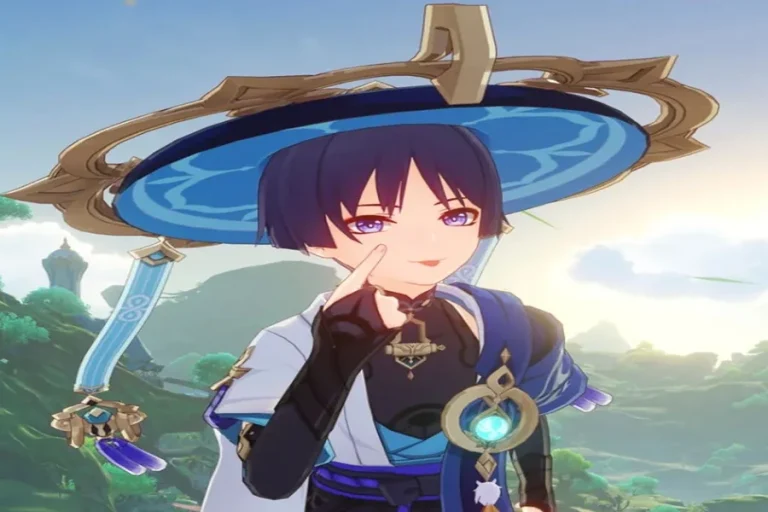
For users seeking deeper engagement beyond static images, the frontier of AI interaction offers fascinating possibilities. Platforms that enable you to chat with anime characters AI https://friend2chat.com/categories/anime/scaramouche/ utilize large language models (LLMs) combined with character personas. These systems can simulate conversations, role-play scenarios, and provide companionship, addressing a growing desire for interactive digital experiences. When evaluating such platforms, consider the depth of character personality, conversation memory, and the ability to guide the interaction’s tone and direction.
Cost Structure: Free vs. Premium
Budget is a major deciding factor. The landscape includes:
- Fully Free Generators: Often web-based with ads, generation limits, or watermarks. Ideal for testing and casual use.
- Freemium Models: Offer a free tier with basic features and paid subscriptions for higher limits, faster speed, and advanced options.
- One-Time Purchase Software: Desktop applications you buy outright, usually offering powerful offline generation.
- Credit/Token Systems: You purchase packs of generations, which can be cost-effective for sporadic use.
Always start with a free trial or a freemium plan to assess if the tool’s output and workflow suit you before committing financially. The best free AI anime generator for a hobbyist might lack the robustness required for a professional illustrator.
Privacy, Ethics, and Community Guidelines
Responsible use is paramount. Consider these important points:
- Data Privacy: Review the platform’s privacy policy. Understand if your prompts and generated images are stored, used for further model training, or publicly shared.
- Content Policies: All reputable platforms have guidelines prohibiting the generation of harmful, illegal, or non-consensual content.
- Intellectual Property: Be aware of the copyright status of generated images, especially if used for commercial purposes. Some services grant full ownership, while others retain certain rights.
Engaging with communities around these tools can provide valuable insights into best practices and ethical considerations.
Making Your Final Decision
Armed with this knowledge, follow a simple decision-making process:
- Shortlist: Based on your primary goal, list 3-5 platforms that seem promising.
- Test Drive: Use the free tier or trial of each. Generate similar prompts across all to compare output quality, ease of use, and speed directly.
- Check Reviews: Look for independent user reviews and video tutorials to see the tools in action beyond marketing claims.
- Evaluate Value: For paid options, calculate the cost per high-quality image or hour of interaction. Does the pricing align with your intended usage frequency?
Choosing the best AI anime generator is a personal journey that balances technical capability, creative freedom, and practical constraints. Whether your aim is to produce breathtaking digital art, develop game assets, or explore new forms of social interaction through platforms where you can chat with anime characters AI, the key is to start with a clear purpose. Begin by experimenting with a reputable free tool to grasp the fundamentals. As your skills and requirements grow, you can confidently invest in a premium solution that amplifies your creativity. The perfect generator is the one that feels like a natural extension of your imagination, removing technical barriers and letting your ideas flow directly into visual or interactive reality. Now that you’re equipped with this comprehensive knowledge, you’re ready to explore the options and start creating.

- Fermented Cod Liver Oil: Unveiling the Benefits of a Nutritional Powerhouse - October 9, 2026
- 7 Lawn Care Hacks Every Homeowner Needs - June 8, 2026
- Can I Get The Best Dosa In Indiranagar Delivered To My Office By 9 AM? - June 5, 2026