
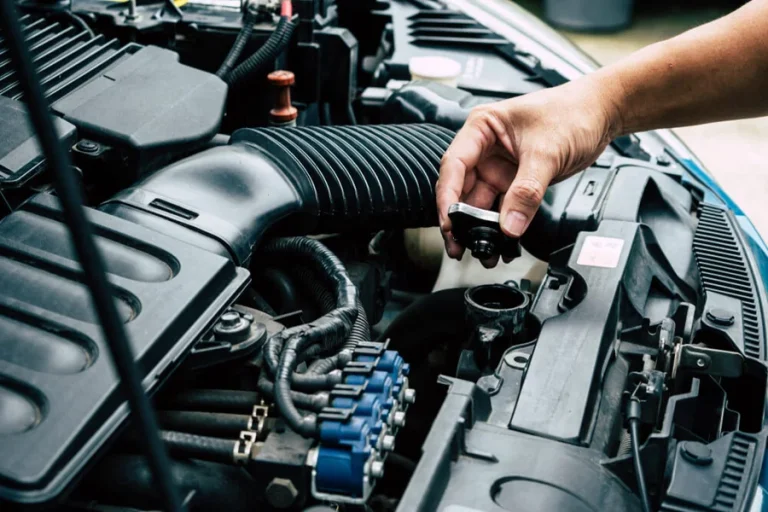
The engine radiator transfers the intense heat produced by the engine, preventing overheating. However, when it fails, it may lead to engine overheating and cause serious damage, like a warped cylinder head or a completely seized engine.
While replacing a radiator yourself may seem difficult, it’s an easy task if you have the right tools and some patience. This guide will teach you detailedly about the replacement steps, helping you save on labor costs and safely restore your equipment.
Tools You Need to Gather
Before starting, prepare the tools you need to keep the process smooth. Having everything ready avoids delays and frustration.
- Safety Gear: Safety glasses and gloves are essential.
- Drain Pan: To catch the old coolant.
- Socket Wrench Set: For removing bolts and clamps.
- Screwdrivers: Both flathead and Phillips.
- Pliers: Including regular and hose clamp pliers.
- Funnel: For refilling coolant without spilling.
- Replacement Radiator: Make sure it matches your equipment’s make, model, and year.
- New Coolant: Check your owner’s manual for the specific type needed.
Engine Radiator Replacement Step-by-Step Guide
1. Safety First
Park and Cool Down. Park your equipment on a level surface and wait for the engine to cool completely. A hot cooling system is under pressure and can cause serious burns.
2. Disconnect the Battery
For safety, disconnect the negative terminal of your car battery to prevent electrical accidents.
3. Drain the Coolant.
Place a drain pan under the radiator and open the drain plug (petcock) at the bottom. Allow all the coolant to drain out.
4. Disconnect Hoses and Lines
Using pliers, remove the clamps and disconnect the upper and lower radiator hoses. If your equipment has an automatic transmission, also disconnect the transmission cooler lines attached to the radiator. Expect some fluid to leak out.
5. Remove Obstructions
You might need to remove other parts like the fan shroud or electric cooling fans to access the radiator. Keep track of all bolts and fasteners.
6. Unbolt and Remove the Old Radiator.
Remove the mounting bolts or brackets securing the radiator and carefully lift it out of the engine bay.
7. Install the New Radiator
Place the new engine radiator in position, ensuring it seats correctly. Secure it with the mounting bolts.
8. Reattach All Components.
Reconnect the radiator hoses, transmission cooler lines, and any removed parts like the fan shroud. Reconnect the negative battery terminal.
9. Refill with Coolant
Using a funnel, slowly pour a 50/50 mix of the correct coolant and distilled water into the radiator.
10. Bleed the System
To remove trapped air, start the engine with the radiator cap off and let it run until it reaches operating temperature. Air bubbles will emerge. Add more coolant as needed. Once bubbling ceases, top off the coolant and replace the cap.
11. Final Inspection
Run the engine for a few minutes and check for leaks around the engine radiator and hose connections. Monitor the temperature gauge to ensure it stays within the normal range.
Note: Always refer to a repair manual specific to your equipment for detailed instructions.
When to Replace It and How Much It Costs?
- Time: For an experienced mechanic, replacing a radiator usually takes 2 to 4 hours. If you’re doing it yourself for the first time, plan for a full afternoon to complete the job without rushing.
- Cost: Total costs vary widely. The radiator itself typically costs between $100 and $500, depending on your equipment and whether you select an OEM or aftermarket part. Hiring a professional adds labor costs of $150 to $400. Overall, replacing a radiator can range from $300 to $1,000.
What Do You Need to Notice?
- Replace Other Parts: Since the system is already drained and accessible, consider replacing wear items like radiator hoses, hose clamps, and the thermostat to avoid future repairs.
- Use the Right Coolant: Always use the coolant type recommended by your equipment’s manufacturer and mix it with distilled water, not tap water, to prevent mineral deposits.
- Proper Disposal: Old coolant is toxic and harmful to the environment. Do not pour it down the drain. Take it to an auto parts store or recycling center for proper disposal.
Conclusion
Following this guide, knowing what tools you need, replacement steps, and tips you need to notice, can help you restore your engine at a lower price. Important: You must use the right part from a reputable supplier to extend the maintenance period. It’s easy and rewarding.
If you have any questions during the replacement process, you can also contact with FridayParts specialist. Their expert team offers professional guidance and a prompt response to help you perform the replacement easily and perfectly.

- Fermented Cod Liver Oil: Unveiling the Benefits of a Nutritional Powerhouse - October 9, 2026
- 7 Lawn Care Hacks Every Homeowner Needs - June 8, 2026
- Can I Get The Best Dosa In Indiranagar Delivered To My Office By 9 AM? - June 5, 2026