
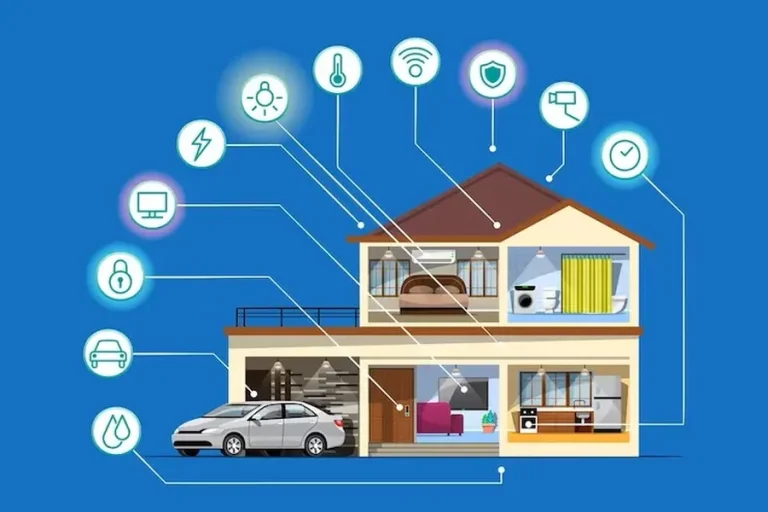
Introduction to Smart Homes and IoT
In recent years, the rise of smart homes has transformed how people interact with their living spaces. At the heart of this evolution lies the Internet of Things (IoT) — a network of interconnected devices embedded with sensors, software, and connectivity that enables seamless communication and automation. Smart homes leverage IoT devices to create a living environment that responds intuitively to our needs, offering unprecedented convenience, energy efficiency, and security.
The future of IoT devices is bright and rapidly advancing, fueled by innovations in connectivity, artificial intelligence, and computing power. Smart home technology is no longer a futuristic concept but a growing reality, with millions of households adopting smart thermostats, lighting, security systems, and voice assistants worldwide. According to market forecasts, the global smart home market is expected to surpass $135 billion by 2025, highlighting a strong trend toward connected living.
In this comprehensive article, we’ll explore the technologies driving this smart home revolution, the key IoT devices powering modern homes, the benefits and challenges of smart home adoption, and what the future holds. Whether you’re a homeowner, tech enthusiast, or industry professional, this guide offers valuable insights into the rise of smart homes and the evolving landscape of IoT devices.
Key Technologies Driving the Smart Home Revolution
Smart homes rely on several advanced technologies working together to deliver intelligent and connected experiences. The three key enablers include artificial intelligence (AI), 5G connectivity, and edge computing.
Artificial Intelligence and Machine Learning
AI plays a crucial role in making smart homes adaptive and personalized. Machine learning algorithms analyze patterns in user behavior and environmental data to automate routine tasks. For example, a smart thermostat can learn your daily schedule and adjust the temperature automatically, optimizing comfort while saving energy. AI-powered voice assistants like Amazon Alexa and Google Assistant allow users to control devices effortlessly through natural language commands.
5G Connectivity and Its Impact
The rollout of 5G networks is a game-changer for smart homes. Compared to previous wireless technologies, 5G offers significantly higher speeds, lower latency, and improved reliability. This means IoT devices can communicate faster and handle more data in real-time, enabling smooth streaming, instant device response, and better support for multiple connected gadgets simultaneously.
Edge Computing and Data Processing
Edge computing brings data processing closer to the source—the smart devices themselves or local gateways—rather than relying solely on distant cloud servers. This reduces delays in data transmission, enhancing responsiveness and security. For smart homes, edge computing means quicker reactions to commands, improved privacy by keeping sensitive data local, and reduced dependency on internet connectivity.
Essential IoT Devices Powering Modern Smart Homes
Smart homes integrate a wide variety of IoT devices designed to enhance daily living. Here are some of the most common and impactful:
Smart Thermostats and HVAC Controls
Smart thermostats like the Nest Learning Thermostat or Ecobee optimize heating and cooling systems by learning homeowner preferences and adjusting settings dynamically. These devices improve energy efficiency, reducing utility bills and environmental impact without sacrificing comfort.
Smart Security Systems and Surveillance
Security remains a top priority for many smart homeowners. IoT-enabled security systems include cameras, motion sensors, door/window sensors, and smart locks. These devices offer real-time alerts and remote monitoring via mobile apps, allowing homeowners to secure their property from anywhere.
Voice Assistants and Smart Speakers
Voice-controlled devices such as Amazon Echo and Google Nest Hub serve as smart home hubs, connecting and controlling multiple IoT gadgets. Their natural language interfaces make interacting with home technology effortless and accessible to all ages.
Smart Lighting Solutions
IoT lighting systems provide energy-efficient, customizable illumination. Users can adjust brightness, colors, and schedules, often integrating lights with other smart devices for ambiance control and security simulations.
Benefits of Smart Homes for Homeowners
Adopting smart home technology delivers numerous advantages, from convenience to cost savings.
Energy Efficiency and Sustainability
Smart homes actively reduce energy consumption through optimized device usage, scheduling, and real-time adjustments. This contributes to lower carbon footprints and supports global sustainability goals.
Enhanced Security and Remote Monitoring
Homeowners gain peace of mind with 24/7 monitoring and instant notifications of suspicious activity. Remote access empowers users to check on their homes anytime, increasing safety and responsiveness.
Increased Property Value
Homes equipped with smart technology are increasingly attractive to buyers, often commanding higher resale prices. Integrating smart features can be a wise investment in long-term property value.
Challenges and Concerns Surrounding Smart Home Adoption
Privacy and Data Security: As The Editorialge notes, the more connected a home is, the more vulnerable it becomes to cyber threats. Data encryption, regular software updates, and strong user habits are essential for protection.
Despite the many benefits, there are notable hurdles to overcome.
Privacy and Data Security Issues
The increased connectivity of IoT devices exposes smart homes to potential cyber threats. Personal data and device controls can be vulnerable if security measures are insufficient, raising concerns about privacy breaches.
Compatibility and Integration of IoT Devices
A fragmented market means many devices use different protocols, causing compatibility issues. Ensuring seamless integration requires careful selection of products or using platforms that support multiple standards.
Cost Barriers and Accessibility
Initial costs for smart home setups can be high, limiting access for some consumers. Additionally, ongoing expenses for maintenance, upgrades, and subscriptions may add to the financial burden.
Future Trends in Smart Home Technology
The smart home ecosystem continues to evolve with exciting new trends on the horizon.
AI-Powered Predictive Automation
Future smart homes will anticipate user needs more accurately, offering proactive assistance. Predictive analytics will help devices prepare environments, restock supplies, and enhance security autonomously.
Integration with Smart Cities and Infrastructure
Smart homes will increasingly interact with broader smart city systems, enabling optimized energy grids, traffic management, and public services that benefit from coordinated data sharing.
Advances in Energy Management and Sustainability
Emerging technologies will focus on maximizing renewable energy usage, smart grids, and efficient resource management, further reducing environmental impacts.
How to Choose the Right IoT Devices for Your Smart Home
Selecting the right devices is key to a successful smart home.
Assessing Your Needs and Budget
Start by identifying which aspects of your home life you want to improve, whether it’s security, energy savings, or convenience, and set a realistic budget accordingly.
Ensuring Device Compatibility
Choose devices that work within a common ecosystem or support popular protocols like Zigbee or Z-Wave to guarantee smooth integration.
Importance of Security Features
Prioritize devices with strong encryption, regular software updates, and privacy controls to protect your home and data.
Installation and Maintenance Tips for Smart Homes
Proper installation and upkeep ensure optimal smart home performance.
DIY vs Professional Installation
Simple devices can be installed by users, but complex systems may require a professional setup to guarantee functionality and security.
Regular Updates and Security Patching
Keep all devices updated with the latest firmware to fix vulnerabilities and improve features.
Troubleshooting Common Issues
Maintain a basic knowledge of device resets, connectivity checks, and app troubleshooting to handle minor problems efficiently.
Frequently Asked Questions (FAQs)
Q1: Are smart homes expensive to set up?
Smart home costs vary widely. Basic setups can be affordable, while full automation involves a higher investment. Costs often decrease as technology advances.
Q2: How secure are smart home devices?
Security depends on manufacturer standards and user practices. Using strong passwords, updating firmware, and choosing reputable brands enhance security.
Q3: Can I control smart home devices remotely?
Yes, most IoT devices offer mobile app control, enabling remote monitoring and management.
Q4: Do smart homes save energy?
Yes, by automating device usage and optimizing performance, smart homes reduce energy consumption and costs.
Q5: What happens if my internet goes down?
Some devices have limited offline functionality, but many require the internet to operate fully. Backup connectivity options can mitigate disruptions.
Q6: Are smart homes suitable for everyone?
Smart homes can benefit a wide range of users, but accessibility, comfort with technology, and budget should be considered.
Conclusion: Embracing the Smart Home Future
The rise of smart homes marks a transformative shift in how we live, work, and interact with our environments. Powered by rapid advances in IoT devices, AI, and connectivity, smart homes offer unprecedented convenience, energy efficiency, and security. While challenges like privacy concerns and cost exist, ongoing innovation promises to address these hurdles, making smart homes more accessible and seamless.
As we look to the future, smart homes will integrate deeper with urban infrastructure and evolve into proactive, intelligent spaces that enrich daily living. For homeowners ready to embrace this future, understanding the technologies, benefits, and considerations is essential to creating a connected home that truly works for you.

- Fermented Cod Liver Oil: Unveiling the Benefits of a Nutritional Powerhouse - October 9, 2026
- 7 Lawn Care Hacks Every Homeowner Needs - June 8, 2026
- Can I Get The Best Dosa In Indiranagar Delivered To My Office By 9 AM? - June 5, 2026