
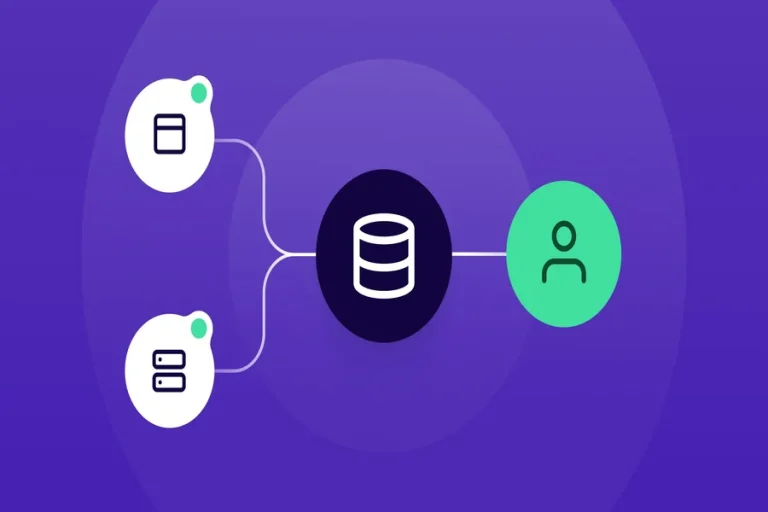
Retail businesses that provide personalized customer experiences can only thrive in the increasing competition and ensure long-term growth. To provide this experience, gaining a deeper understanding of the customers and serving them based on their choices is essential. This is where the Customer Data Platform (CDP) plays its part.
It serves as a storage system for a wide variety of data that enables companies to lower the guessing and create personalization plans that truly represent their customers’ needs. The CDP platform helps businesses understand customer intent at the moment and deliver a consistent experience across each touchpoint.
However, the efficiency of a CDP data platform depends on the data it collects and analyzes. Businesses need to be aware of the types of data available and their usefulness to ensure that they collect the right data for the CDP platforms. This forms the base for delivering highly relevant experiences, increasing engagement, and improving conversions.
Types of Customer Data and How They Support the CDP Platform
Businesses can gather customer data in many ways, including surveys, site analytics, customer input forms, and loyalty programs. Based on the method of gathering, data can be categorized into four broad types.
- Zero-party Data: This is obtained directly when businesses ask customers for data using quizzes, surveys, and forms.
- First-party Data: Information gathered while analyzing each action of a customer.
- Second-party Data: This is acquired when reliable partners (For example, Google and Facebook) provide information about their customers.
- Third-party Data: Originates from data sets sold by external providers.
Among these, companies can rely on zero and first-party data as they are sourced directly from customer actions. These types help companies to ensure the authenticity of the data; however, understanding the usefulness of the data is crucial to deciding on choosing the right data for the CDP platform.
Customer data can be further classified into five types based on the kind of details they deliver. They include:
-
Identity Data
These are the details about core personal attributes that allow companies to identify and comprehend their customers. These include name, age, gender, contact number, and email address. Identity data supports CDP data platforms in a variety of ways:
- Customized Messaging: Identity data, such as a person’s name, can be used to provide a personalized experience to customers. For instance, an online store might use a shopper’s first name in emails, making the message feel more personal.
- Faster Customer Assistance: Access to identity data immediately allows businesses to reply faster to unique customer problems. When done correctly, businesses also have the capability to see metrics to reinforce better loyalty and participation.
- Better Customer Understanding: Collecting identity data enables CDP data platforms to create robust customer profiles, which would aid in creating focused marketing and product strategies.
-
Behavioral Data
It refers to the information related to the habits and actions of customers when engaging with the brand. Time spent on a website, the order of pages visited on a site, the list of previous purchases made by a customer, interactions with a mobile application, and the open and click rates from email campaigns could all be considered behavioral data. Given that, the CDP platform can be leveraged by organizations to:
- Deliver Personalized Suggestions: Knowing how people behave opens the opportunity for providing them with individualized content recommendations. For example, a news-based platform may curate the articles presented based on similar articles a reader uses frequently in the past, enhancing a reader’s experience.
- Enhance Customer Retention: Analyzing behavioral patterns makes it easier to stay connected with customers through relevant communication.
- Higher Conversions: Because behavioral data provides accurate directives, companies can make more clever decisions related to developing offers in a timely fashion or discounts that increase purchases.
-
Descriptive Data
Descriptive data provides information related to a person’s lifestyle, characteristics, and unique behavioral patterns. It allows for a much deeper dive into individual attributes and a person’s background. A user’s relationship status, education, employer, and more are some examples of descriptive data. It can be used in CDP data platforms to:
- Gaining Deep Customer Insights: This kind of data provides clear insights into preferences and behaviors. It helps organizations narrow down marketing strategies, customer communications and product/service development.
- Segmentation: An organization can accurately segment its customers by examining their descriptive data and creating curated campaigns targeting their behavior or lifestyle.
- Achieving Competitive Edge: Studying descriptive trends can provide insights into gaps or trends that give a competitive advantage.
-
Attitudinal Data
This is the Information about a person’s views, preferences, and feelings toward a brand or its products. This type of data is crucial to understanding how customers perceive a product, service, or company identity. It includes feedback or reviews that benefit marketing, support, product teams, and sales teams. By gathering attitudinal data, CDP platforms can be used to:
- Generate Customer Retention Strategies: Input like negative experiences or unmet expectations can inform teams on how to resolve issues and improve service, boosting satisfaction and retention.
- Create Pricing Plans: Attitudinal feedback shows how buyers assess the value of an offering. That insight can help update pricing plans.
- Improve Customer Service: Sales teams can use this feedback to understand what matters most to buyers, helping close deals more effectively.
-
Transactional Data
It refers to the information about customer transactions and exchanges with the company. Products or subscriptions bought, discounts used, modes of payment, and chat interactions between support and users are some examples of transactional data. This data benefits CDP platforms in:
- Making Informed Business Decisions: A clear picture of revenue and sales helps companies make solid decisions about staffing or improving processes.
- Better Customer Understanding: Patterns like the most purchased item or a customer’s spending habits help refine conversion efforts and pricing models.
- Fixing Internal Flaws: If return volumes are high, companies can take measures to optimize internal operations, like customer support and delivery.
Bottom Line
The main reason why organizations should embrace CDP platforms in their technology stack is their ability to boost business performance. They often give companies a single solution to enhance audience targeting through personalization. By understanding customer data types and using them appropriately in CDP data platforms, businesses can ensure a meaningful experience for their customers.
As technology progresses, CDP tools can collect and analyze even more data types and deliver a distinct experience that suits each person. Also, CDP platforms can be the solution for companies aiming to keep their customers interested, improve loyalty, and create deeper customer connections.

- Fermented Cod Liver Oil: Unveiling the Benefits of a Nutritional Powerhouse - October 9, 2026
- 7 Lawn Care Hacks Every Homeowner Needs - June 8, 2026
- Can I Get The Best Dosa In Indiranagar Delivered To My Office By 9 AM? - June 5, 2026