
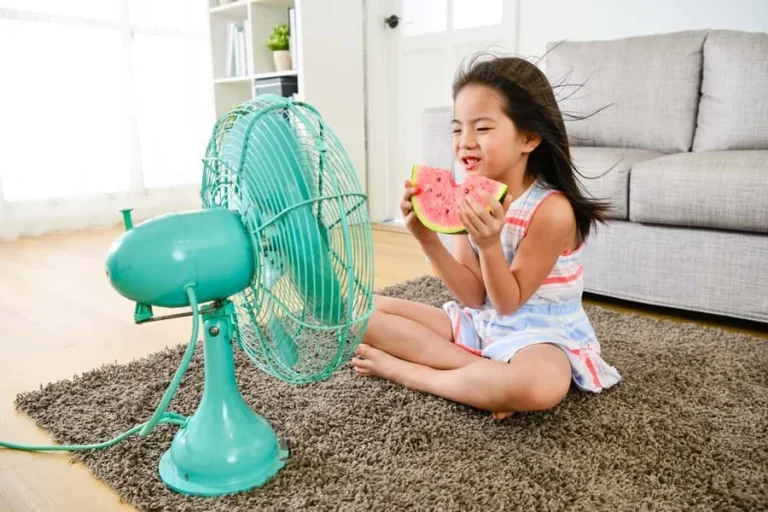
Picture this: it’s the hottest day of the year, your home feels like an oven, and suddenly your AC stops working. No cool air, no relief – just sticky heat and rising frustration. If you’ve ever been in this situation, you know how stressful it can be. The first instinct is usually to search for ac repair service near me and hope a technician can show up right away. But before you panic, there are a few practical steps you can take to troubleshoot the issue and keep your cool.
The truth is, not every AC breakdown means your system is beyond saving. Sometimes the fix is simple – something you can handle without tools or technical knowledge. Other times, you’ll need professional help, but knowing what to do right after your AC stops can make all the difference in how quickly your home gets back to normal.
Step 1: Do a Quick System Check
Before you assume the worst, take a few minutes to run through the basics. Is your thermostat set to “cool” and at the right temperature? It sounds obvious, but thermostat mishaps are one of the most common culprits behind sudden AC problems. Also, check the batteries if they’re dead, your system won’t respond at all.
Next, look at your breaker box. A tripped breaker can shut down your unit completely, especially if other appliances are running on the same circuit. Reset it once, but if it keeps tripping, that’s a red flag that needs professional attention.
Step 2: Check Airflow and Filters
Airflow issues can cause your AC to act like it’s broken when it’s really just struggling to breathe. A dirty filter, for instance, can block airflow so badly that your system shuts down to prevent overheating. Swap out or clean the filter, and see if that helps.
It’s also worth checking vents around your home. Make sure none of them are blocked by furniture, rugs, or curtains. Proper airflow is key to keeping your AC running smoothly, and small obstructions can make a big impact on performance.
Step 3: Inspect the Outdoor Unit
Don’t forget about the part of your AC sitting outside. Your condenser unit is exposed to the elements, which means it can easily get clogged with leaves, dirt, or grass clippings. If the fins are blocked, your system can overheat and shut down. Turn off the power to the unit, clear away debris, and gently hose it down if needed.
If you hear unusual noises like grinding, buzzing, or clicking – that’s a sign of a deeper mechanical issue. In that case, you’ll want to stop running the unit and call for help right away.
Step 4: Call in a Professional
If none of the simple fixes work, it’s time to get professional help. A licensed HVAC technician can diagnose and repair problems that aren’t obvious to the untrained eye, from refrigerant leaks to electrical issues. This is where having a trusted service provider makes all the difference. Don’t wait until you’re desperate – save the contact info of a reliable AC repair company so you’re ready when a breakdown happens.
While waiting for a technician, take steps to stay comfortable. Close blinds to block out heat, use ceiling fans to circulate air, and avoid running appliances like ovens or dryers that generate extra warmth.
Stay Prepared for Next Time
An AC breakdown can feel like a crisis, but knowing what to do puts you back in control. Start with the simple checks – thermostat, breakers, filters, and airflow – before jumping to conclusions. And remember, regular maintenance goes a long way toward preventing surprise breakdowns in the first place. Scheduling an annual tune-up helps catch small issues before they become major headaches.
So the next time your AC leaves you sweating, don’t panic. Troubleshoot, call for help if needed, and use it as a reminder to keep your system maintained. That way, you’ll be better prepared and a lot cooler – the next time summer heat hits hard.

- Fermented Cod Liver Oil: Unveiling the Benefits of a Nutritional Powerhouse - October 9, 2026
- 7 Lawn Care Hacks Every Homeowner Needs - June 8, 2026
- Can I Get The Best Dosa In Indiranagar Delivered To My Office By 9 AM? - June 5, 2026