
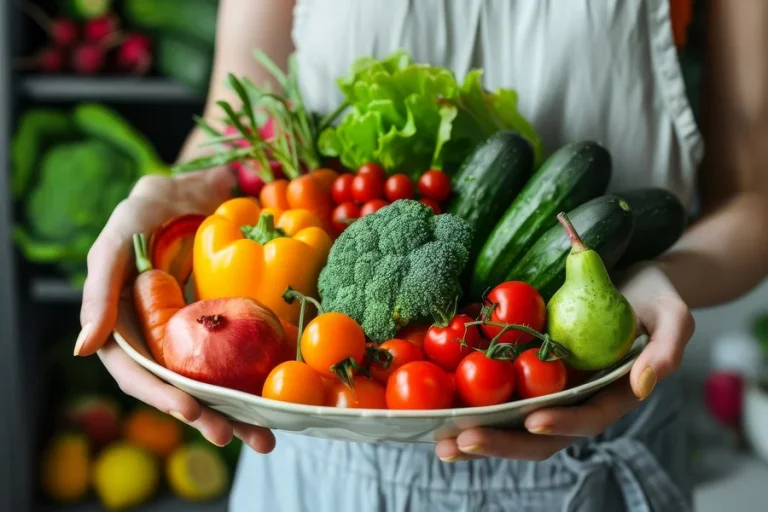
Nutrient-Dense Fruits and Vegetables: A Modern Wellness Staple
Health-conscious individuals are rediscovering the value of whole, nutrient-packed fruits and vegetables. These foods are rich in essential micro- and phytonutrients that support the body’s cellular activities and promote long-term well-being. Unlike processed snacks, produce offers vitamins, minerals, and antioxidants in their complete, bioavailable forms.
Consuming nutrient-dense produce can noticeably enhance energy levels, shorten recovery times, and support overall vitality. For example, a mix of leafy greens, bright-colored vegetables, and fresh fruits serves as a potent arsenal for meeting active lifestyles and supporting immune resilience. In today’s world, where ready access to whole foods is abundant, prioritizing these powerhouse foods has never been easier—or as important.
Fruit-Derived Vitamins for Sustained Energy and Mood
Fruits are rich in key vitamins that help stabilize mood and boost sustainable energy. Vitamin C, found in citrus fruits, strawberries, and kiwis, plays a crucial role in neurotransmitter production, which directly impacts mental clarity. It’s also a cornerstone for cellular energy production, helping the body combat daytime fatigue.
Folate, abundant in oranges and bananas, plays a crucial role in red blood cell formation, directly supporting oxygen transport and overall vitality. Similarly, B-complex vitamins, which are prevalent in tropical fruits like mangoes and guavas, help maintain cognitive health by regulating the nervous system. Incorporating a variety of these fruits into daily routines—whether as snacks, breakfast additions, or smoothie bases—helps busy adults maintain their energy levels while meeting micronutrient needs with ease.
Vegetable-Sourced Micronutrients for a Robust Immune Response
Vegetables supply critical nutrients that strengthen the immune system. Beta-carotene, found in carrots, sweet potatoes, and squash, converts to vitamin A in the body, which supports healthy skin and mucous membranes—the body’s first line of defense against pathogens.
Magnesium, found in leafy greens such as spinach and kale, helps regulate inflammation and immune responses. Emerging research highlights polyphenols and flavonoids in cruciferous vegetables, such as broccoli and Brussels sprouts, as key players in promoting antioxidant activity. To simplify weeknight meals, quick-prep options like roasted vegetables and steamed greens pair perfectly with lean proteins, maximizing flavor and nutrient content for the whole family.
Synergy of Fruit and Veg Nutrients for Enhanced Bioactivity
Combining fruits and vegetables can elevate the absorption and effectiveness of their nutrients. For instance, pairing vitamin C-rich fruits with iron-containing leafy greens significantly enhances iron uptake. Spinach salads topped with oranges or a side of roasted broccoli with a squeeze of lemon juice illustrate this concept beautifully.
Healthy fats, such as those found in avocados or olive oil, further enhance the bioavailability of fat-soluble nutrients like beta-carotene and vitamin K. Nutrient synergy amplifies the overall benefits, enabling your body to maximize the benefits it receives. As a resource for understanding how to optimize these combinations, fruit and vegetable vitamins can provide practical insights for incorporating balanced produce-based nutrients into your life.
Optimizing Absorption of Produce-Derived Nutrients
The way you prepare fruits and vegetables can significantly influence their nutritional value. Light steaming or quick sautéing preserves water-soluble vitamins, such as vitamin C and folate. When consuming fat-soluble vitamins, combining them with healthy fats—such as drizzling olive oil on spinach—optimizes their absorption.
On the other hand, overcooking or extended storage can degrade certain nutrients. For example, beta-carotene levels in carrots diminish with prolonged exposure to high heat. To avoid this, use gentle cooking methods and consume vegetables shortly after purchasing. At your next meal, consider adding lightly steamed vegetables tossed with a splash of avocado oil to maximize nutrient intake.
Practical Meal Hacks to Increase Produce Nutrients Intake
Incorporating more fruits and vegetables into a busy lifestyle doesn’t have to be difficult. Try these time-saving ideas:
- Smoothies: Blend frozen berries, spinach, and a banana for a nutrient-packed on-the-go breakfast.
- Sheet-pan dinners: Roast a mix of vegetables, such as zucchini, tomatoes, and cauliflower, with your favorite protein for a one-pan meal.
- Snack packs: Pre-portion carrot sticks, celery, or sliced bell peppers into small containers for easy grab-and-go snacks.
For a longer shelf life, consider freezing fruits like berries or cooking vegetables in bulk for the week. Quick-prep options ensure nutrient retention while maintaining the flavor appeal needed to stick with healthy habits.
Visit this link for more information: wellhealthorganic.com Skin Care Tips in Hindi – संपूर्ण गाइड
Empower Your Daily Routine with Produce-Based Nutrients
Integrating fruits and vegetables into your daily meals creates a foundation for sustained wellness. Beyond isolated supplements, produce offers all-encompassing benefits that align with the body’s natural processes.
Rather than overhauling your diet, start with small, manageable changes, such as adding one extra vegetable or fruit to each meal. These shifts, when sustained over time, can evolve into a lifestyle that fosters vitality, resilience, and overall well-being.

- Fermented Cod Liver Oil: Unveiling the Benefits of a Nutritional Powerhouse - October 9, 2026
- 7 Lawn Care Hacks Every Homeowner Needs - June 8, 2026
- Can I Get The Best Dosa In Indiranagar Delivered To My Office By 9 AM? - June 5, 2026